Two wins, a well-coordinated team: Patrik Heinrichs on his successful DoubleHand season
16. June 2026
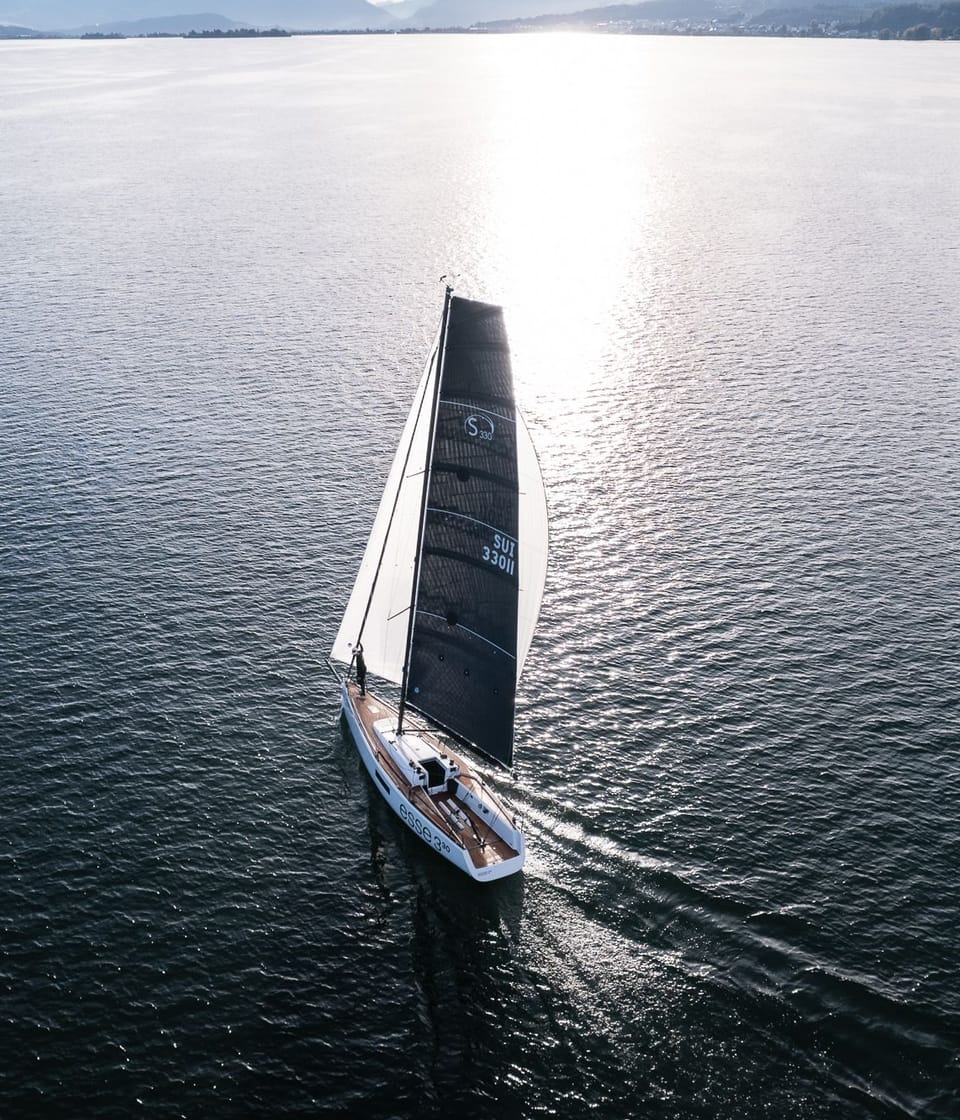
With his victories at the Brassfahrt in Travemünde and the Grömitzer Double Hand Regatta, Patrik Heinrichs has impressively demonstrated just how competitive a well-prepared the Esse 850 can be, even on longer regatta courses.


Patrik, what was your experience at the Grömitz Double-Hand Regatta, and when did you start to feel that a podium finish—or even victory—might be possible?
The regatta was scored using the Yardstick system, and with the Dehler 30, we had a strong competitor at the start. The Esse 850 was the smallest boat in the field. Right after the start, we were able to take the lead in winds of around eight knots. However, on the subsequent upwind leg—about 20 nautical miles long with winds of about 18 knots—it became difficult to defend that lead. At times, we were down to fourth place. The race was decided over the final 5.5 nautical miles: With the Code Zero and winds of about ten knots, we were able to really pick up speed once again and ultimately secure the victory.
Double-handed regattas place special demands on teamwork on board. What sets your team apart, and how did you complement each other during the race?
My crewmate Thomas and I have been sailing together for eight years. During that time, we’ve competed in numerous regattas together and know the routines on board very well. This mutual trust and well-coordinated teamwork are a major advantage, especially in double-handed regattas. We were already able to secure victory together at the Brassfahrt in Travemünde. These two successes in such a short time confirm that we work very well together as a team.
You regularly compete in single-handed and double-handed regattas. What fascinates you about these formats, and how do they differ from sailing with a full crew?
I’m fascinated by the technical side of sailing. I’ve studied the construction and sheet handling of the Esse 850 in great detail and have invested a lot of time in setting up the boat so that I can sail it optimally on my own while still remaining competitive. Plus, there are no Esse class regattas in our region. Single- and double-handed regattas therefore offer an attractive opportunity to compete regularly. On top of that, the organizational effort is significantly lower. It’s much easier to sail alone or with a partner than to put together a full crew for every regatta.
The Esse 850 isn’t considered a classic yacht for offshore regattas. What makes it the ideal choice for you, then?
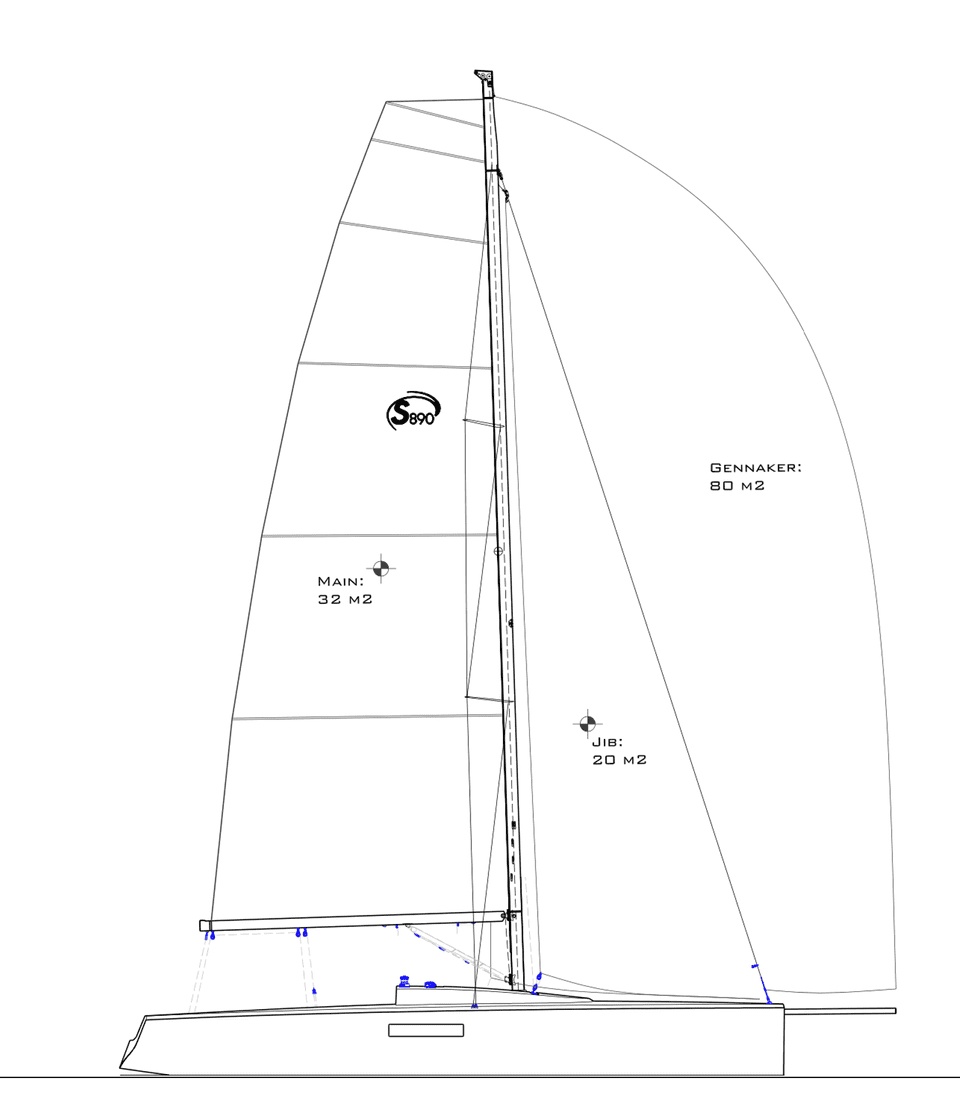
The Esse 850 is a very competitive yacht and, with a few adjustments, is excellent for solo sailing. One important feature for me is the fully retractable engine, which reduces drag. The self-tacking jib makes maneuvering much easier, and thanks to the 1:2 jib sheet, many trimming tasks can be handled without a winch. I’ve also sealed the entrance hatch so that as little water as possible gets into the boat, even in rougher conditions and higher swells.
What are your next athletic goals, and which regattas or projects are you especially looking forward to?
There are several highlights on the schedule for the coming months. Among other things, I plan to compete in the Kiel-Ærø Regatta as a solo sailor, the Aal Regatta as part of Kiel Week, and races at Warnemünder Woche. I’m also especially looking forward to more regattas in Denmark this fall, including the Silverrudder Challenge.